 Robert
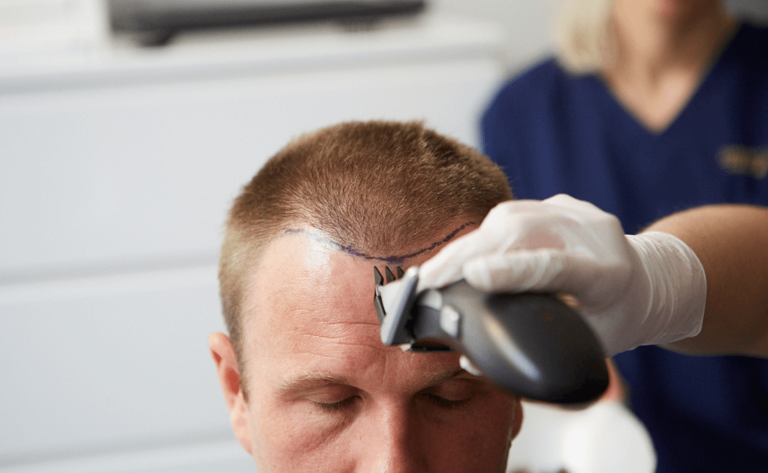
 The evolution of hair restoration has come a long way from outdated methods and visible scars. Today, advanced technology has made hair replacement more precise, minimally invasive, and natural-looking than ever before. For many, especially those considering a fue hair transplant Newport Beach, these technological advancements represent not only a chance to restore hair but also confidence, youth, and self-image.
The Shift Toward Precision and Automation
One of the biggest breakthroughs in hair replacement technology is automation. Traditional hair transplants relied heavily on manual extraction, which was time-consuming and often inconsistent. Modern tools now use robotic assistance and advanced imaging to identify and extract healthy follicles with remarkable precision. This technology cuts down on mistakes made by people and makes grafts more uniform, which leads to results that look better and more natural.
Automated systems also minimize trauma to the scalp. Each follicle is carefully selected and extracted without damaging nearby tissues, which means faster healing and less discomfort for patients. For clinics in advanced cosmetic regions like Newport Beach, this level of precision is now considered standard, setting a new benchmark for quality care.
The Rise of FUE Technology
Follicular Unit Extraction (FUE) is the most advanced method for replacing hair today. It is a slightly invasive method that uses tiny punches to take hair follicles from the donor area and place them in areas where hair is falling out. FUE doesn’t leave a linear scar like older strip methods did, and it lets people heal faster.
A fue hair transplant Newport Beach offers patients access to some of the most advanced versions of this technology. Surgeons often use digital imaging and magnification tools to map the scalp in detail, ensuring that every graft aligns with the natural direction and density of the patient’s existing hair. This blend of artistry and technology produces a seamless, natural appearance that’s nearly impossible to detect.
Robotic Assistance and Artificial Intelligence
Robotic technology is becoming a game-changer in hair restoration. AI-driven systems can analyze hair patterns, density, and angles in real-time to guide follicle extraction and placement with millimeter accuracy. This combination of robotics and human expertise helps create more predictable and aesthetically pleasing results.
Artificial intelligence also plays a role before and after surgery. Pre-procedure imaging helps simulate the expected results, giving patients a clear idea of their transformation. Post-surgery, AI tools can track growth progress and suggest personalized maintenance routines to optimize outcomes.
Advanced Graft Preservation and Growth Stimulation
Technology isn’t just transforming how follicles are harvested—it’s also improving how they survive. Specialized storage solutions and temperature-controlled environments now ensure higher graft viability. This means more transplanted hairs successfully grow after surgery, leading to fuller, denser results.
Additionally, new technologies like low-level laser therapy (LLLT) and platelet-rich plasma (PRP) are used alongside FUE to stimulate scalp health and accelerate regrowth. These therapies enhance blood flow and strengthen hair follicles, ensuring the transplanted grafts thrive long-term.
Enhancing the Patient Experience
Modern hair replacement technology also improves the overall experience for patients. Digital consultations, scalp mapping software, and 3D visual simulations allow individuals to make informed decisions and set realistic expectations. The combination of comfort, precision, and personalization helps reduce anxiety and boosts satisfaction.
Clinics leveraging advanced technologies often integrate digital aftercare systems, where patients can monitor healing progress remotely. This holistic approach reflects the modern evolution of cosmetic medicine—where innovation, safety, and patient care go hand in hand.
The Future of Hair Restoration
Looking ahead, hair replacement will continue to evolve through genetic research, stem cell innovation, and even bioengineered hair cloning. The ultimate goal is not just to replace lost hair but to regenerate it naturally. For now, however, technology like FUE and AI-assisted robotics has already transformed the industry into one that combines science, precision, and artistry.
In essence, the integration of advanced technology into hair restoration has made it possible to achieve long-lasting, natural-looking results with minimal downtime. For anyone exploring a fue hair transplant Newport Beach, today’s cutting-edge methods ensure the most refined, efficient, and confidence-boosting experience possible.